The Red Sea crisis and its impact on India.
A Trade Artery under Seige
The attack of the Houthis in the Red Sea has caused a stir in the global trade market. State economies are bleeding and shipments worth billions of dollars are halted by the Yemeni rebel group. These strikes are aimed at exerting pressure on nation states, forcing them to intervene and prevent Israel from launching more operations on Gaza. As we navigate this catastrophe, the call for the Houthis to back down echoes a pragmatic necessity. It is crucial to examine the profound impacts the crisis has on the world and the big South Asian economies such as India and China, raising important questions about the oil prices shoot up, inflation and losses incurred. While the Red Sea has been a major trade route for countries between Europe and Asia, it also accounts for 12 percent of the global trade. In the face of the escalating crisis, the attack on the Red Sea can cause severe repercussions in our day-to day lives. This oped contends that the intensifying Red Sea crisis demands immediate and collective action of nations, emphasising the risk of a regional ‘war’ in the Middle East. Its argues that India’s approach towards the crisis should be weightier and more urgent.
India at a diplomatic crossroads
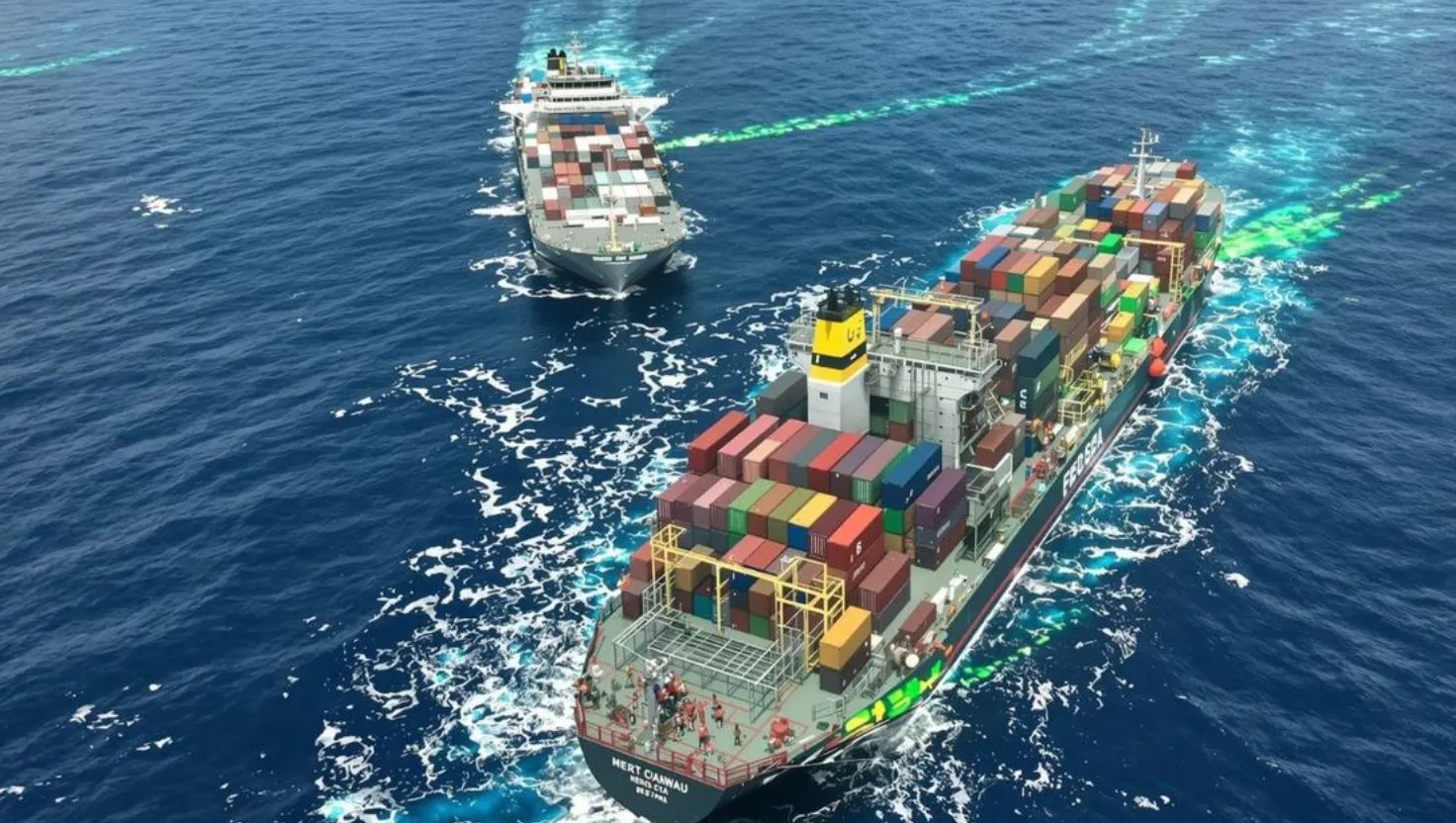
As the crisis deepens, watchful eyes will be on India’s calibrated approach to recent strikes, which prioritises an increase in maritime presence but avoiding alignment with the US-led coalition. This could face scrutiny. Despite the government’s claims of minimal impact on its nation, recent developments indicate otherwise. The state’s apparent silence on true global issues raises questions about its commitment to international cooperation and moral responsibility, particularly given India’s significant export reliance on North America, West Asia and the European Union. As global economic prospects link the Middle East crisis to broader threats, the potential escalation and proxy wars demand a nuanced approach from India to maintain stability and positive relations on the world stage. While there is room to grasp India’s perspective on the crisis, there is another dimension to investigate namely the power dynamics perpetuated in the Middle Eastern region. Yemen, torn between the Iran backed Houthis, Saudi backed government and UAE- backed Southern transitional council, remains divided. The power dynamics in the Middle East is complex and multifaceted but it shapes the geography of the region. In navigating India’s relationship with the Middle East, the Red Sea crisis can also serve as a turning point in their diplomatic relations. India’s good relations with the Arab nations as well as Israel pushes it into a dilemma to either choose sides or remain neutral, bearing the consequences of both. In the intricate landscape of democratic decision making, the options are often perceived, not as right or wrong, but as varying degrees of being less wrong. In this context, India has navigated this diplomatic conundrum by opting for a course of action that is deemed as the “less wrong” decision. The ongoing crisis in the Red Sea has led to ocean freight nations and shipping companies rerouting their vessels away from Suez Canal, resulting in increased shipping expenses. This strategic move is a response to the heightened security risks and uncertainties associated with gathering crisis. The longer safer route around the Cape of Good Hope aims to protect assets, cargo, and personnel. In India, this shift in shipping dynamics has impacted small exporters, who contribute to 40% of the country’s annual merchandise exports. The surge in shipping costs has raised concerns about job losses within the sector, as the increased shipping costs train profit margins.
Power Politics, Proxy Rivalries, and the risk of escalation
The potential for prolonged attacks in the Red Sea further exacerbates these concerns. The decision to reroute vessels reflects the broader economic implications of regional crisis, thus the situation highlights the vulnerability of certain sectors to geopolitical events and emphasises the need for swift and adaptive responses from both governmental and business stakeholders. The evolving nature of the crisis in the Red Sea serves as a a reminder of the far-reaching consequences that geopolitical developments can have on global commerce and the livelihoods of those engaged in international trade. In essence, the crisis heightened military activities in the sea that complicate the human impact on the Red Sea crisis, security threats loom large, casting a dark shadow over the affected regions. The populace, already grappling with the disruptive consequences of conflict, must now contend with an escalated climate of fear and instability.The Red Sea crisis and its impact on India. As the conflict stretches into its fourth month, there remains a troubling absence of resolution, and instead, the situations are evolving with more intensified and widespread confrontations with seafarers.
Conclusion
India, the largest south Asian nation and one of the most influential nations, globally, is at a critical crossroads in the ongoing maritime crisis. The prolonged conflict has significant macroeconomic implications, but there is a chance to prevent further escalation and mitigate economic impact. India’s role in the regional and global landscape makes decisive steps a national interest and a responsibility with profound implications. Recognising the interconnected nature of the crisis, nations worldwide must unite in a united front, employing strategic diplomacy aligned with shared shipping interests. Collaborative efforts should extend beyond geographical concerns, emphasizing global security and stability of maritime routes. To address this crisis, India and other nations must adopt a nuanced approach that combines economic pragmatism with diplomatic finesse, leveraging economic strength to influence diplomatic initiatives and vice versa. This approach could contribute towards individual interests as well as a larger goal towards fostering stability, security, and prosperity in international maritime domain. The spectre of military confrontation introduces an additional layer of uncertainty, shaping daily life and eroded a sense of security. It serves a reminder of the far-reaching consequences of geopolitical conflicts, with individuals navigating a landscape fraught with uncertaiinity, economic upheaval, and persistent insecurity.